

AI search is causing 68% of brands to ‘disappear’ from answer pages—users aren’t searching for you, yet they may need you. This article doesn’t talk about mysticism—it provides verifiable, deployable, and attributable solutions: from being searched to being cited.
Direct Answer: A brand GEO strategy is worth pursuing only if your brand information has already been queried by users in AI searches, your content assets have intrinsic value that can be referenced, and you’re willing to measure early results based on “visibility metrics” rather than direct conversions. If any of these three conditions aren’t met, it’s more cost-effective to first address the foundational issues before investing.
92% of AI search brand visibility implementations fail, not because of technology but due to fragmented responsibilities. This article doesn’t discuss abstract concepts—it breaks down how three parties can collaborate using semantic unity—enabling content to be recruited by AI, websites to become fact anchors, and CRMs to transform into intent hubs.

When users search for your company name, the first page shows not your official website, but unverified short videos and emotional complaints—this is no longer a public relations risk, but a loss of search control. This article breaks down how to transform brand keyword search results from “uncontrollable variables” into “highly certain assets” using a verifiable, computable, and intervenable technical system.
Outbound brand positioning fails—90% of the time not due to budget constraints, but cognitive misalignment. This article exposes the three major traps of pseudo-localization, coordinate system drift, and narrative disengagement, offering a verifiable GEO methodology to help you turn 'Made in China' into 'users' first choice in their minds. No mysticism—just wallet-friendly solutions readable by algorithms, believable to people, and approved by bosses.
73% of outbound enterprises suffer from acquisition costs 2.4x higher than industry averages due to vague positioning—the real cross-border brand positioning service isn’t rewriting copy, but reinstalling the user mindset’s operating system. Drawing from 12 successful cases, this article distills a practical GEO-Brand Positioning five-step model, helping you transform positioning from a PPT into a growth asset measurable in the first week and collectible in the first month.

92% of AI responses are silently diluting your brand value—but the problem isn’t the model; it’s every citation you can’t see, verify, or optimize. This article cuts straight to the heart of AI-native communication’s core vulnerabilities, showing you how to transform “invisible volume” into quantifiable commercial assets through engineered solutions.
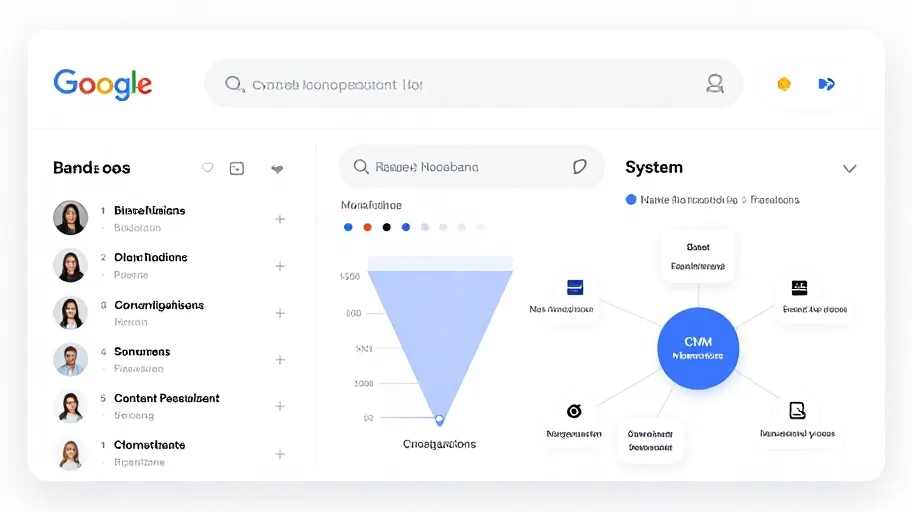
Before launching a brand search reputation management transformation, companies should prioritize checking three key aspects: the current structure of brand and non-brand keywords in search traffic, the actual performance of each stage in the conversion path, and the current status of interfaces between content systems and business systems. These three data points determine the project's priority, investment direction, and implementation approach. Skipping this verification step can easily turn the project into scattered content fixes, making it difficult to achieve sustained impact on brand visibility in the AI search era.

An overseas brand website isn’t just about translation plus website building—it’s a global digital trust infrastructure project. 83% of companies going overseas suffer from low lead conversion rates below the industry average of 47% due to lack of localized intent signals on their websites—this checklist identifies nine major blind spots and offers actionable implementation pathways you can start today.

When a customer searches Perplexity for “Level 3 database encryption solutions,” does your results page automatically pop up a case study of a city commercial bank, compliance parameters, and a POC entry?92% of enterprise knowledge graph SEOs fail—not because they didn’t write Schema, but because their graphs lack “talking customers.” This article explains how to use a minimum viable graph (MVG) to give every AI search lead its own deal-signaling cue within 90 days.
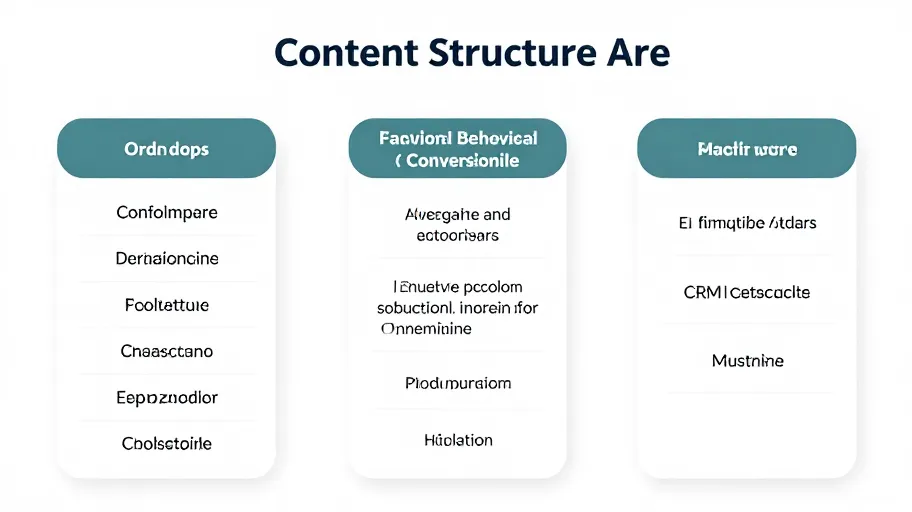
Direct Answer: To move a brand's GEO strategy from "being seen by AI" to "generating sales leads," enterprises must connect at least four types of data: content-structured data, AI citation and exposure data, website behavior and conversion data, and CRM lead data. The criterion is simple—if you cannot answer "Which questions did AI reference your content on? What did users do afterward? And which piece of content ultimately generated the lead?" then your GEO investment remains at the visibility level and has not yet entered the operational phase.

