
90% of overseas brand websites are essentially talking to themselves. The real breakthrough isn’t translating pages—it’s using technology to reshape perceptions. We’ve broken down five strategic modules that enable international users to understand, trust, and buy, turning your website into a global growth engine.

78% of B2B buyers abandon suppliers due to mismatched content. The issue isn’t quality—it’s perspective—are you still trying to convince finance, technology, and procurement with a single white paper? The truly effective B2B content strategy ensures each role sees their own answers within the same narrative.
When your content gets skipped by AI, it’s not because it’s not good enough—it’s because it hasn’t been ‘understood.’ Enterprise Knowledge Graph Optimization is reshaping information exposure logic—from keyword matching to semantic cognition—delivering a double boost in search rankings and conversion rates.
Direct Answer: To truly transform answer engine optimization (GEO) from "being seen by AI search" to "generating sales leads," enterprises need to integrate four types of data: content citation data, source authority data, on-site behavior data, and lead conversion data. Without connecting these four layers of data, GEO investments will fail to address the critical question: "How many inquiries have we actually generated?"
Precise brand positioning for international expansion is the core engine driving SMEs to break into global markets. Behind a conversion rate increase of over 30% lies the dual drive of cultural insight and data validation. Here are the key paths to avoid failure.
Your brand’s image in search results determines how customers perceive you. This isn’t an SEO issue—it’s a trust war. Learn to reshape search reality with content and push negative buzz off the homepage.
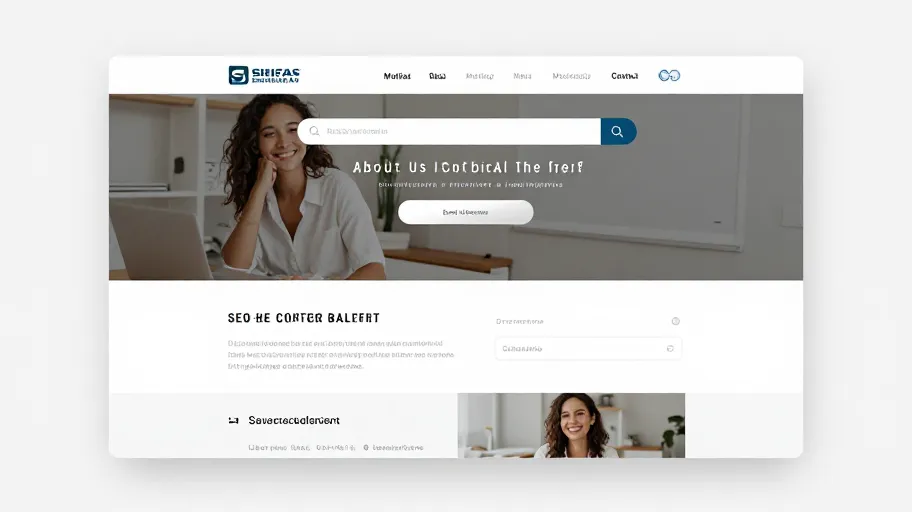
The core answer to planning an overseas brand website is to first determine the three key questions the website should address (Who are you, Why should we trust you, What’s next?), then implement it in stages following the sequence of "Page Structure → Content System → Conversion Forms → Ongoing Operations," with verifiable criteria set at each step, rather than launching all sections at once.
As search engines start answering user questions directly, can your content still be seen? Answer Engine Optimization is reshaping search rules—not for rankings, but to become the system’s “standard answer source.”
In search results, who is defining your brand?80% of consumers abandon purchases due to negative content. Master intelligent monitoring and automated response systems to transform reputation from a cost into an asset.
When users search for “popular Japanese restaurants near Jing’an Temple,” does your brand appear in the results? Brand GEO Strategy is reshaping regional marketing rules, turning every local search into a conversion gateway.
Brands are no longer just slogans and logos—they’re recognizable signals in AI searches. With a brand GEO strategy, you can be “correctly classified” in every city, in the way locals speak. This isn’t just about optimizing exposure; it’s about reshaping the gateway to consumers’ minds.

