
When you receive an overseas brand upgrade case, the first thing you should do is not to focus on how impressive the results are described, but rather to check each item against an acceptance form: whether the content has established the brand's visibility in Google and AI search, whether the functions truly serve the conversion path of the independent site, and whether leads have formed a closed loop from discovery to follow-up. If any one of these three links is broken, the reference value of this case will be significantly reduced.
When you receive an overseas brand upgrade case study, the first thing you should do is not admire how beautifully it's presented, but instead verify three key aspects item by item: whether the content supports your brand's visibility on Google and AI search engines, whether the functionality has been truly delivered and can be sustainably maintained, and whether leads have formed a closed loop from discovery to follow-up. A case study that stands up to scrutiny should allow you to check off each item on the checklist; any items you cannot check off are areas where you need to ask further questions of the vendor.

What Should You Check Before Overhauling Your B2B Brand Content Strategy? The answer lies in traffic, conversions, and system interfaces. This article provides a complete diagnostic framework to help you spend your budget where it counts most.
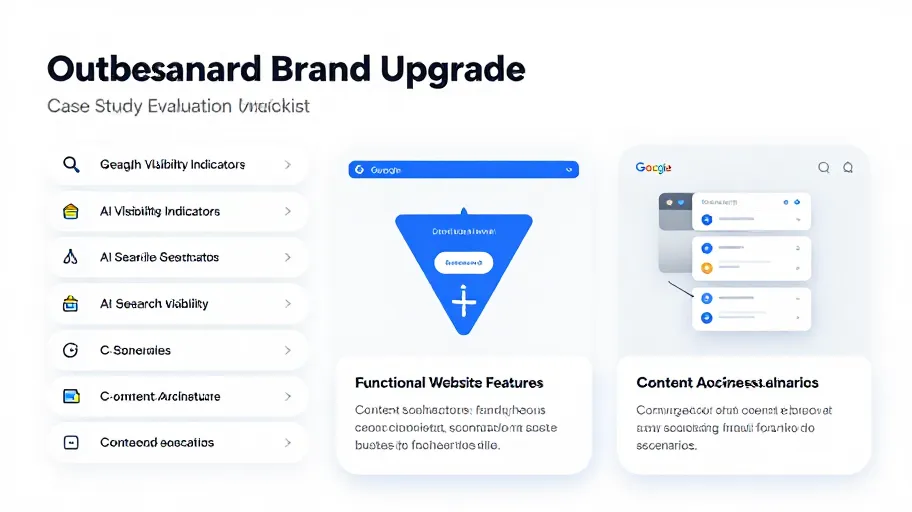
When you receive an overseas brand upgrade case study, the first step isn't to admire how well it's presented. Instead, compare it against an acceptance checklist item by item: Does the content support visibility in search and AI search? Are the functions truly operational? And does the lead generation form a closed loop? The case study itself is merely material; the acceptance criteria are your decision-making tool. This article provides a reusable verification framework to help you make informed decisions when evaluating brand upgrade service providers.

The biggest pitfall in overseas brand positioning is self-satisfaction. This article breaks down brand positioning strategies for international markets, helping you avoid common pitfalls and capture overseas consumers’ minds through a localized lens.

Do users searching for your brand find nothing but negative reviews? This article breaks down the core strategies of brand search reputation management, teaching you how to push negative information off the first page and turn search traffic into real money.
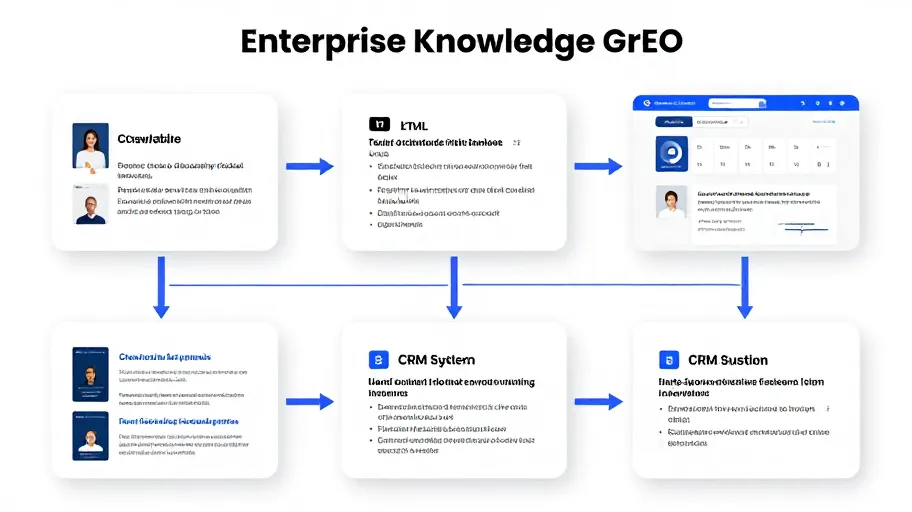
The key to successfully implementing enterprise knowledge graph SEO isn't assigning all tasks to a single person or department. Instead, it involves dividing the responsibility of "making Google and AI search engines understand your business" into three distinct areas: the content team ensures that factual information about the company is clearly communicated; the website architecture makes this information accessible for crawling and structuring; and the CRM team verifies whether these facts ultimately translate into traceable leads. When the boundaries between these three areas are unclear, it often becomes the root cause of stagnant GEO performance for most international brands.

Many companies investing heavily in overseas marketing overlook the crucial role of overseas brand website planning as a central conversion hub. We’ll break down the entire process—from strategy to execution—to help you convert traffic into real revenue.

Before changing the logo, overseas brands shouldn’t rush into it. Thoroughly check these three key factors—traffic, conversion, and system interfaces—to avoid a cliff-like drop in traffic and system breakdown after upgrading.

Traditional search traffic is declining, yet your brand remains absent from AI answers? This article breaks down brand GEO strategies to turn algorithmic visibility into tangible orders.

品牌GEO策略是AI时代获取精准流量的核心。掌握生成式引擎优化逻辑,让大模型主动推荐你的品牌,实现曝光与转化跃升。

