
AI search no longer clicks links—it generates answers directly. If your brand isn’t cited by AI, it might as well not exist. True exposure means becoming part of AI’s answer. Here are five steps to build knowledge assets recognizable by machines.

Building a high-converting overseas website relies not on piling up features, but on systematic design. We’ve helped 17 brands go global and distilled this reusable practical checklist: page architecture, localized content, high-conversion forms, and continuous growth operations. Every step counts.
Your brand is frequently mentioned by AI, yet 90% of businesses remain unaware. This isn’t just a technological issue—it’s a black hole causing lead loss. AI Citation Monitoring is changing the game, transforming fragmented mentions into traceable, convertible data assets.
Over 65% of outbound brands experience stalled growth in their second year—not due to product issues, but because they lack scientific review mechanisms. True global competitiveness comes from precisely distilling lessons learned from every trial-and-error attempt and rapidly iterating accordingly.

True brand upgrades for going global begin with precisely targeting blind spots in localization. 2023 data shows that brands without a digital marketing closed-loop have average overseas user retention rates below 18%. Meanwhile, companies adopting systematic overseas brand strategies see compound revenue growth rates exceeding 67% within three years.
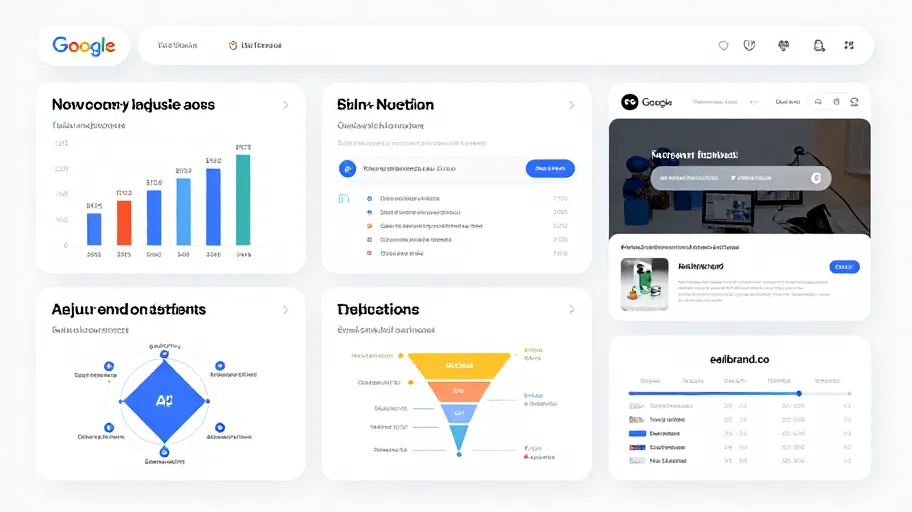
When reviewing a case study of an overseas brand upgrade, the key is not to tell a nice story but to answer four questions: What problem does this upgrade aim to solve? Which areas were affected by the changes? What evidence supports these changes? And can the results be verified? If these four points remain unclear, the case study is merely promotional material and cannot serve as a basis for decision-making. This article provides a practical review framework to help you evaluate your own brand upgrade projects and assess the credibility of external teams' case studies.
90% of overseas brand upgrades fail because retrospectives remain superficial. We dissect real-world cases to distill replicable retrospective methodologies:
Next, we’ll guide you step-by-step through building a retrospective system that drives decision-making.
When customers and employees can’t find critical information, the problem isn’t insufficient content—it’s systems that “can’t understand.” Enterprise Knowledge Graph SEO turns fragmented data into intelligible, actionable assets, boosting click-through rates by 35% and doubling retrieval efficiency.
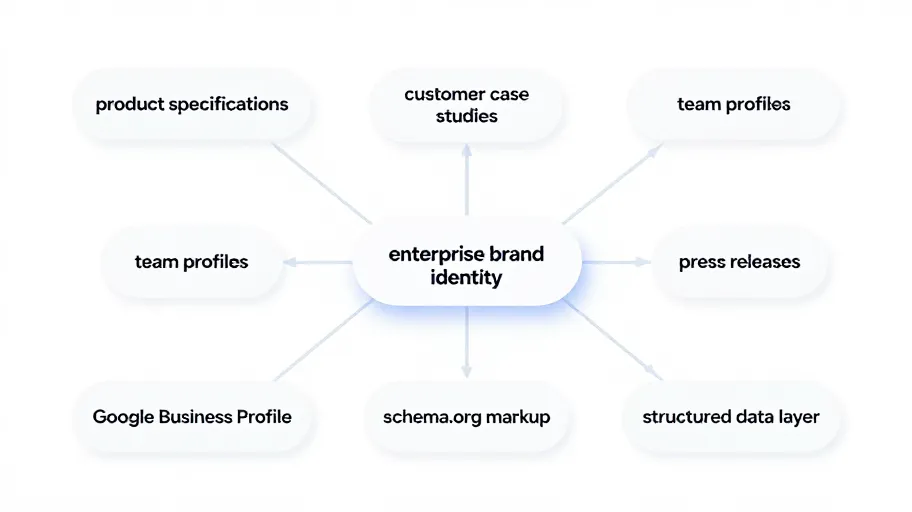
When users ask in AI search, "Which supplier is best suited for my scenario?" the answer often doesn't come from a webpage ranking but rather from the AI's consistent understanding of enterprise information. The core issue that Enterprise Knowledge Graph SEO aims to solve is enabling Google and AI systems to link your products, services, customer scenarios, and organizational information into a trustworthy whole—so you can be referenced during key decision-making moments and ultimately convert those references into sales leads. To achieve this, enterprises need to connect not just "more content," but structured, mutually verifiable data layers.
85% of B2B content investments go to waste. The problem isn't poor writing—it's failing to connect the right links. The fundamental reason behind low lead conversion rates lies in the disconnection among content page structure, form design, and operational closed loops. Here's a practical five-step implementation framework.
In 2025, global e-commerce penetration will reach 28%. Brand upgrading for overseas expansion is no longer optional—it’s essential for survival. We dissected the practical paths of Anker, SHEIN, and PatPat, revealing how systemic capabilities can replace the gamble on traffic.

