

Direct Answer: The core of brand building in the AI era is not simply transplanting traditional SEO techniques into AI search environments. Instead, it involves re-evaluating three key aspects: under what scenarios your brand needs to be "seen" by AI, which content assets are worth investing in, and what criteria should be used to determine if progress has been sufficient. This article provides a practical framework for assessment, an execution checklist, and acceptance methods to help international brands transform "AI visibility" from vague anxiety into a measurable project.
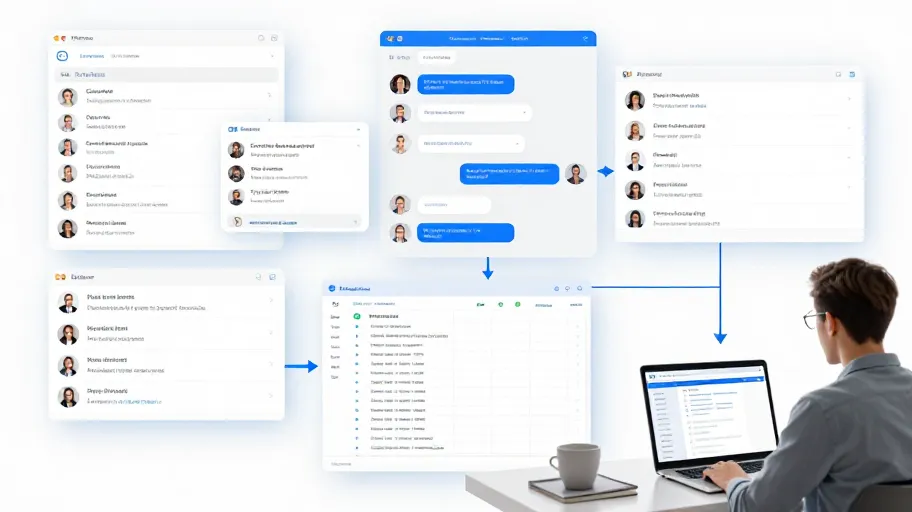
Direct Answer: Whether a business should adopt an AI CRM should not be decided based on "what AI can do," but rather on three verifiable questions: Is your customer data already unable to be managed through manual processes? Does your team spend every day making decisions that could be replaced by rules and data flows? Can you define measurable acceptance criteria after implementation? If all three answers are "yes," then there is a valid reason to proceed; if any answer is "no," first strengthen your data and process foundations before considering tool selection.
AI CRM lead generation is rewriting the rules of the game. From response speed to conversion accuracy, intelligent customer relationship management enables businesses to achieve greater growth with fewer resources. Here’s how it works.
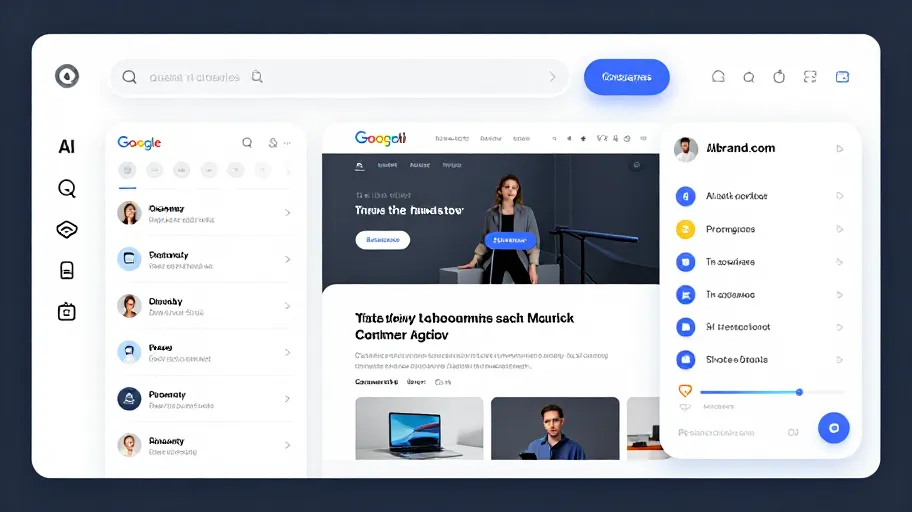
Direct Answer: The starting point of brand building in the AI era is not switching tools, but first answering three questions: How does your brand appear in traditional search versus AI search? Who establishes content authority, and where is it stored? How are execution boundaries defined within your team? Writing these three points into a requirements list and acceptance criteria, then deciding how much resources to allocate, is a more critical decision step than simply asking "Should we do GEO?"
AI-powered customer acquisition is shifting from broad-based campaigns to intelligent decision-making. Through behavioral modeling and real-time intent recognition, companies can boost conversion rates by over 30% and cut per-customer costs by more than 40%.
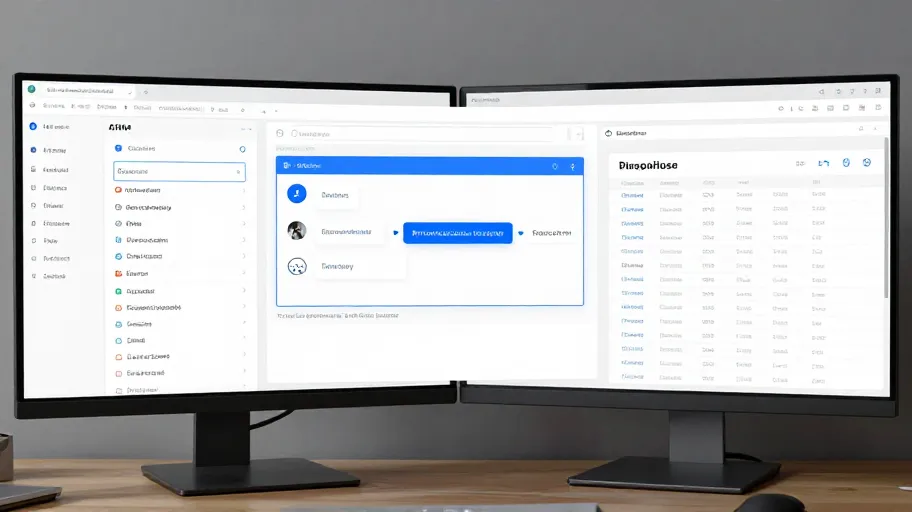
When a company considers adopting an AI CRM, the first questions to address are not "which vendor to choose," but rather three key issues: Do we truly need an AI CRM? Where should we define the scope of implementation for the initial phase? And what criteria will we use to evaluate success? A practical decision-making framework involves first identifying gaps in existing customer data workflows, then assessing which stages can benefit from AI assistance, and finally setting verifiable acceptance metrics for each stage. This article outlines these three steps, helping you break down the decision-making process into an actionable framework.
When 90% of searches no longer generate clicks, whether your content gets cited by AI determines if you can still be seen. Traditional SEO has failed; now the competition is about who can become AI's answer.
Traditional customer acquisition is failing, and leads are slipping away silently. Real growth comes from data flow—from capturing intent via GEO to automating conversions with AI CRM, building your own intelligent lead-generation loop. See how leading companies do it.
Brand positioning isn’t mysticism—it’s a quantifiable, actionable strategy. Through systematic methods, small and medium-sized enterprises can leverage limited resources to capture key positions in users’ minds.
Over 70% of brand positioning efforts fail within 18 months. The issue isn’t creativity—it’s reliance on guesswork. The real brand opportunity hides in the deeply felt yet hard-to-articulate demand gaps users experience. We use data to reconstruct decision-making logic, transforming brands from slogans into trust-based agreements.
When a user searches ‘industrial sensor troubleshooting’ on Baidu, your sales team hasn’t even seen the lead yet, while your competitor’s AI has already pushed a solution. This isn’t the future—it’s the present. In this article, we break down how to turn every search into a high-conversion business opportunity using an AI CRM closed-loop customer acquisition system.

